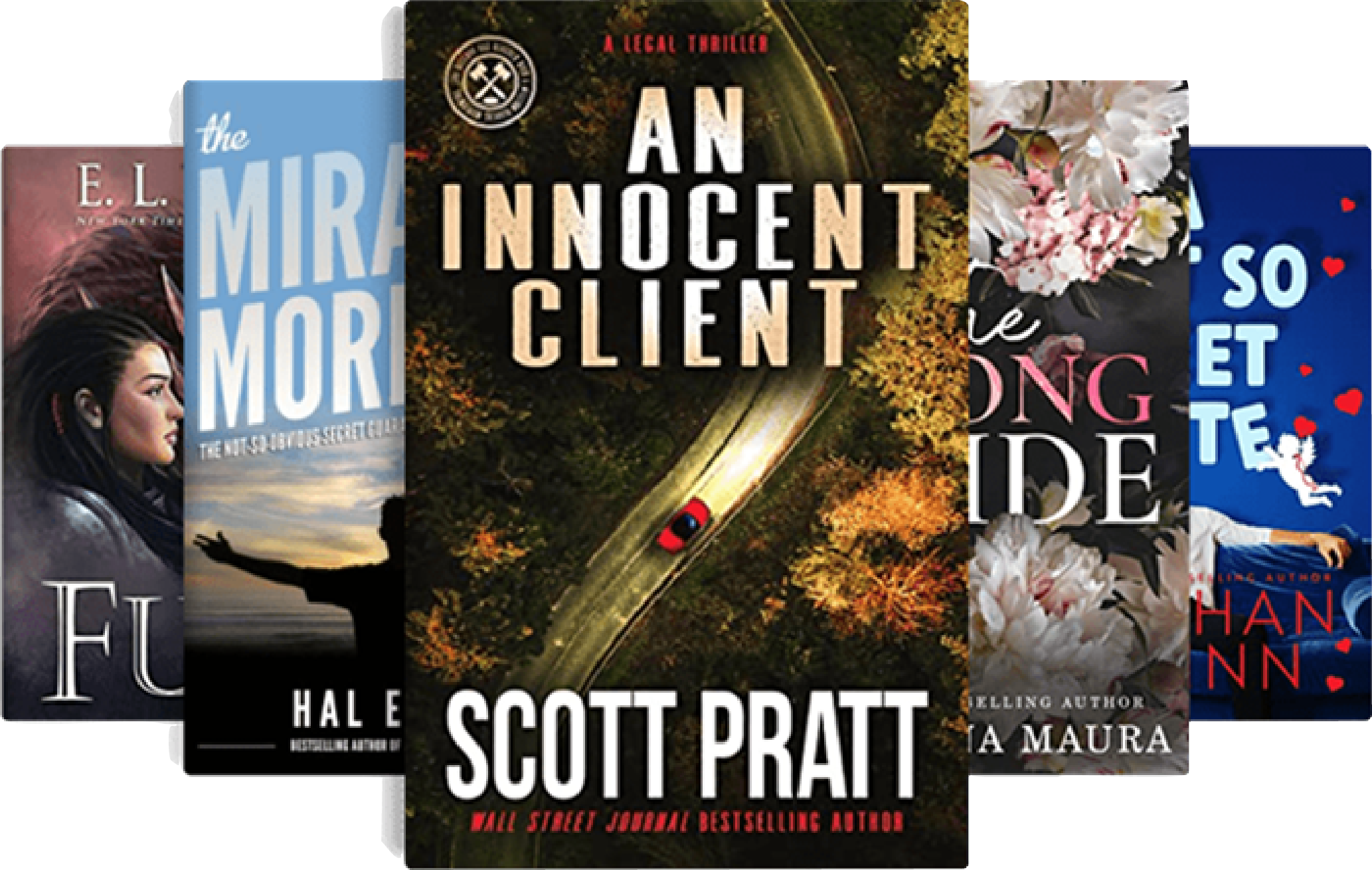


If you want to become an author in 2026, there’s a perfect chance to write a book.
But the real question is: Do I self-publish or do I try to go traditional?
It sounds easy at first glance, but it’s not. Because you can select any of these, but both paths can be frustrating in their own ways.
It depends on you, because some self-published authors start making money fast. Some go with traditional publishing and like credibility.
Some do both.
This whole debate around traditional v. self-publishing keeps getting louder every year. If you want a deeper breakdown, you can read our pros and cons of different book publishing options.
And honestly, it confuses a lot of first-time authors.
But if you’re thinking about hiring a ghostwriter in 2026, you should first understand what ghostwriting is and how it works, or you’re kinda on the fence about it, this choice honestly matters more than people think. Because it doesn’t just affect the writing part. It can mess with your budget, your timeline, your marketing plans, and even the way the whole book needs to be put together.
So let’s break it down without the fancy publishing jargon.
Just the real stuff.
What’s the Difference Between Self-publishing and Traditional Publishing?
Self-publishing
Self-publishing basically means you’re in charge.
You write the book (or hire someone to write it), then you upload it yourself on platforms like:
- Amazon KDP
- IngramSpark
- Kobo
- Apple Books
- Barnes & Noble Press
You also handle the editing, cover design, formatting, and sometimes the marketing.
The good part is that you keep more profit and you control everything.
The bad part is, yeah, you’re doing everything.

Traditional Publishing
Traditional publishing is when you submit your book to a publisher, usually through an agent.
If they accept it, they handle the printing, distribution, and parts of the process.
But it takes time. Sometimes, a lot of time.
And you don’t get full control anymore. Publishers make decisions too, and they don’t always ask nicely.
So the quick difference is:
Self-publishing = speed + control
Traditional publishing = credibility + slower timeline
This is basically the heart of traditional v. self publishing in simple words.
Why this Decision Matters Even More in 2026
Publishing is changing fast. Like, really fast.
In 2026, books are everywhere. Thousands of new titles are being released every single day. People are publishing books quicker than ever, and readers are scrolling through Amazon the way they scroll through TikTok.
And now AI tools exist, too, so the market is going to be even louder.
So the truth is: just writing a book isn’t enough anymore.
You need a book that looks professional. Read smoothly. Has a strong cover. Has a clear hook. Has the kind of description that makes someone actually click “Buy.”
Because readers don’t give second chances. If your book looks messy, they’re gone.
Traditional publishing used to be seen as the only “real” way. That idea is slowly dying. Self-published authors are winning awards now. Some are making more money than traditionally published authors.
But traditional still matters for certain types of books.
So the real question isn’t which one is better.
It’s which one fits your life and your goals.
A Ghostwriter’s Honest Opinion: Most People Pick the Wrong Path
Here’s something I’ve seen again and again.
A lot of people lean toward traditional publishing because they assume it’s easier.
They think the publisher will handle everything, and they’ll just sit back and relax.
That’s not how it usually works.
Traditional publishing still takes effort. You still need an audience. You still need to market. You still need to show up online. You still need to do interviews, social posts, speaking events, podcasts, something.
And self-publishing isn’t “easy” either. It’s just faster.
So if you’re choosing based on what sounds more impressive, you might regret it later.
It’s better to choose based on what you can actually handle.

Self-publishing in 2026: The Real Pros
Self-publishing is extremely popular right now, especially for first-time authors.
And honestly, there are good reasons.
You can publish fast
If your book is ready, you can literally publish it in a few days.
No agent hunting. No waiting for someone to reply. No “we loved your manuscript but…” emails.
You upload it, set your price, and you’re live.
You earn higher royalties
Traditional publishing usually gives way less.
Amazon gives self-published authors around 35% to 70% royalties, depending on your pricing.
So even if you sell fewer books, you might still earn more.
You control everything
Title. Cover. Book description. Release date. Pricing.
Everything stays in your hands.
And for a lot of authors, that control is a big deal.
You can build your author brand faster
Self-publishing is great if you want to publish more than one book.
Some authors publish 2 or 3 books a year.
And in 2026, speed matters. People forget fast. You want momentum.
Self-publishing in 2026: The Real Cons
Now let’s be honest.
Self-publishing comes with its own headaches.
You pay for everything
Editing, cover design, formatting, and marketing can get expensive.
Some authors spend $300 total.
Some spend $3,000.
Some spend even more.
If you want a book that looks professional, you usually have to invest. If you’re unsure about budgeting, here’s a detailed guide on how much it costs to hire a ghostwriter.
Marketing is on you
Amazon doesn’t promote your book just because you uploaded it. That’s why many authors explore top book marketing services for self-published authors to boost visibility.
If nobody knows your book exists, it won’t sell.
That’s the brutal truth.
This is usually the part where people start asking again why self-publishing is bad.
It’s easy to look unprofessional
This is where a lot of people mess up.
Bad cover. Weird formatting. Typos. Cheap editing. Boring description.
Readers notice quickly.
If your book looks rushed, people assume the writing is rushed too.
And they scroll away.
Traditional Publishing in 2026: The Real Pros
Traditional publishing still has value. Especially if you’re writing certain types of books.
You get credibility
If you’re writing nonfiction, a memoir, or a business book, traditional publishing can still carry weight.
People see a publisher’s name and assume you’re “legit.”
Fair or not, it still happens.
Better distribution opportunities
Traditional publishers can get books into bookstores, airports, libraries, and big retailers more easily.
Self-publishing can do that too, but it’s not as automatic.
Less upfront cost (usually)
Most traditional publishers cover printing and distribution.
Some even offer advances, depending on the deal.
So you’re not paying for every step out of pocket.

Traditional Publishing in 2026: The Real Cons
This is the part people don’t like hearing.
It takes forever
Traditional publishing is slow.
Sometimes it’s 1 to 3 years before your book actually hits shelves.
You query agents. Wait.
Agents respond. Wait.
Agents submit to publishers. Wait.
Publishers review. Wait again.
It can feel like your book is stuck in limbo.
You lose control
Publishers can change your title.
They can change your cover.
They can change your description.
Sometimes they even suggest changes in the manuscript itself.
If you’re someone who wants your book to stay exactly how you imagined it, traditional publishing can feel frustrating.
You earn less per book
Traditional royalties are often around 10% to 15%, sometimes less.
So even if you sell a lot, your payout might not feel exciting.
You still have to market
This one surprises people the most.
Most traditional publishers don’t throw a huge marketing budget behind unknown authors. They focus on their bigger names.
So you might still be doing most of the promotion yourself anyway.
Which One Should You Choose?
Here’s the simplest way to look at it.
Choose self-publishing if:
- You want to publish quickly
- You want full control
- You’re okay investing money upfront
- You want higher royalties
- You want to release multiple books
Self-publishing is great for speed and freedom.
Choose traditional publishing if:
- You want bookstore distribution
- You want credibility
- You don’t mind waiting
- You want industry recognition
- You want to avoid paying upfront
Traditional publishing works best for people who are patient and want long-term prestige.
Where Does a Ghostwriter Fit into this?
Ghostwriting works for both paths.
But the writing style can change depending on what you’re trying to do.
If you’re going traditional
A ghostwriter will usually focus more on:
- Clean structure
- Strong proposal writing
- Polished manuscript quality
- Writing that fits publishing standards
Traditional publishing is picky. They want things done “properly.”
If you’re self-publishing
A ghostwriter might focus more on writing for the market.
That means:
- Stronger hooks
- Better pacing
- Cliffhanger chapter endings
- Writing that fits Amazon readers
Self-publishing is more competitive. You need attention fast.
The Hybrid Approach Most Authors are Doing in 2026
A lot of authors aren’t picking one side anymore.
They self-publish first, build an audience, and then go traditional later.
Or they do traditional for certain books and self-publishing for others.
This is becoming normal.
Publishing isn’t a one-path game anymore.
And honestly, it shouldn’t be.
Quick Reality Check: Your Goal Matters More Than Anything
Before you decide anything, ask yourself one basic question:
Why are you even writing this book?
Because honestly, your goal changes the whole direction.
- If you’re mainly trying to make money, self-publishing might be the better move.
- If you’re chasing credibility or that “official author” image, traditional publishing can make more sense.
- If you want impact and more people to actually read it, both paths can work, but marketing is going to matter either way.
And if you just want the book out fast, self-publishing is usually the quickest option.
There’s no “wrong” choice overall.
But yeah, there can be a wrong choice for what you need right now.
A Few Practical Tips Before You Choose
Here are a few things I’d tell any author thinking about this:
Don’t choose traditional if you’re impatient
It’s a slow process, and it can drive you crazy.
Don’t self-publish with a cheap setup
Readers can tell. And they judge fast.
Start building your author platform early
Even 300 to 500 followers help more than people think.
Don’t ignore editing
A good story with bad editing gets destroyed in reviews.
Plan your next book already
Most authors fail because they publish once and disappear.
Momentum is everything.
This is honestly one of the main reasons people later say why self-publishing is bad, when really the issue was cutting corners.
Final Thoughts
Self-publishing and traditional publishing are both real options in 2026. Self-publishing is fast, flexible, and can pay well. But you’ll spend money upfront, and you’ll do more work. Traditional publishing can bring credibility and distribution, but it’s slower, and you lose control. And if you’re working with a ghostwriter, the good news is that your book can succeed either way.
The real secret is not picking the “perfect” option. It’s picking the option you can actually stick with. Because the best publishing path is the one you don’t quit halfway. If you need expert help, then simply reach out to Ghostwriting Help.
FAQs
What is the main difference between traditional v. self publishing?
The biggest difference is control and speed. Self-publishing gives you full control and faster release, while traditional publishing offers industry backing but takes longer and limits your decision-making power.
Is self-publishing better for first-time authors?
It depends on your goals. Many first-time authors choose self-publishing for speed and higher royalties, but traditional publishing can offer credibility and structured support if you’re patient.
Why do some people say that self-publishing is bad?
People usually say that self-publishing is bad when they see poorly edited books, weak covers, or no marketing. The issue isn’t the model itself; it’s often a lack of investment and strategy.
Can a ghostwriter work for both publishing paths?
Yes. A ghostwriter can tailor the manuscript depending on whether you’re pursuing traditional publishing standards or writing specifically for self-publishing market trends and reader expectations.
Is traditional publishing still worth it in 2026?
For certain genres like memoirs, business books, and nonfiction, traditional publishing can still provide credibility and bookstore access. It just requires patience and a long-term mindset.